Stamina Lab Blog
Insights on solution-focused coaching, communication, and the science behind lasting patient and client outcomes.
Listen, Select, Build
A client can talk at length. You don’t need the whole story, only one piece you can build on. How Solution-Focused listening works.
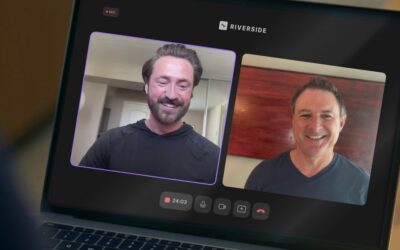
The Question Is the Intervention: Glen Lubbert on the Hello, Brain Podcast
Stamina Lab CEO Glen Lubbert joins the Hello, Brain podcast on why habits break, where agency hides, and why the question is the intervention.

The ‘Readiness’ Myth: Why the Structure of the Conversation Matters More Than the Client’s Motivation
Stop blaming lack of follow-through on client readiness. Discover how the starting point and structure of your coaching conversations dictate behavioral outcomes.

Stop Mirroring the Struggle: Why Your ‘Deep Empathy’ Might Be Keeping Your Clients Stuck
When you mirror a client’s frustration, you may be keeping their brain locked in the problem. Here’s the neural reason why deep empathy can stall change — and the question that unlocks momentum instead.
Listen for Exceptions. Don’t Dig for Them.
When a client returns saying nothing changed, there is one workable line in there. How to find it and build on what they are already doing.

The “Capable” Assumption: Why Assuming Your Client Has the Answer Changes the Outcome
What if the most powerful thing you could do as a coach was to stop trying to build motivation and start assuming it was already there? The SF approach doesn’t evoke capability — it presupposes it.
Stop Going for Action. Go for Description.
When a client returns having done little or nothing, the pull is to move straight to action. But action before description doesn’t take root.
The Solution-Focused Ear: What to Listen For (and What to Ignore) to Drive Faster Results
A good practitioner doesn’t just listen for empathy — they listen strategically. Here’s what the Solution-Focused Ear listens for, what it ignores, and why that distinction drives faster follow-through.

The Neuroscience of Vision: Why Focusing on the ‘Preferred Future’ Unlocks the Brain for Change
Some coaching conversations feel heavy. Others feel creative and full of momentum. According to the research, it’s not chemistry — it’s neuroscience. Here’s what your questions are doing to your client’s brain.