When a patient presents a barrier, the instinct is to analyze it. But staying inside the problem story is often what causes the Conversation Gap. Here’s why focusing on exceptions — not obstacles — is the evidence-based path to follow-through.
The 24-Hour Win: Why Your Sessions Should End with Visibility, Not Just Commitment
Close the “follow-through gap” in health coaching by learning how to anchor every session to a visible sign of progress and an immediate next step.
Beyond SMART Goals: Why Your Clients Need a “Preferred Future” to Achieve Real Change
Discover why traditional goal-setting often fails and how helping clients build a “preferred future” activates the neural pathways needed for lasting behavior change.
Coaching the “Uncoachable”: How a Solution-Focused Stance Reaches Reluctant Clients
Discover why traditional motivation-building can stall with reluctant or mandated clients — and how a Solution-Focused approach creates genuine engagement from the very first question.
Select and Preserve: Why Your Paraphrasing Might Be Blocking Client Progress
When you paraphrase a client’s words, you’re making a choice — not just a communication decision. Research into the microanalysis of therapeutic conversations shows that how practitioners handle client contributions directly predicts follow-through. Here’s what the evidence says.
The Brief Coaching Session: Why You Should Stop Evoking Motivation and Start Building a Preferred Future
The check-in is scheduled for 15 minutes. Your client is struggling with a habit they’ve committed to multiple times. You can feel the clock ticking as you try to help them find the drive to stay on track. In health coaching, many practitioners rely on...
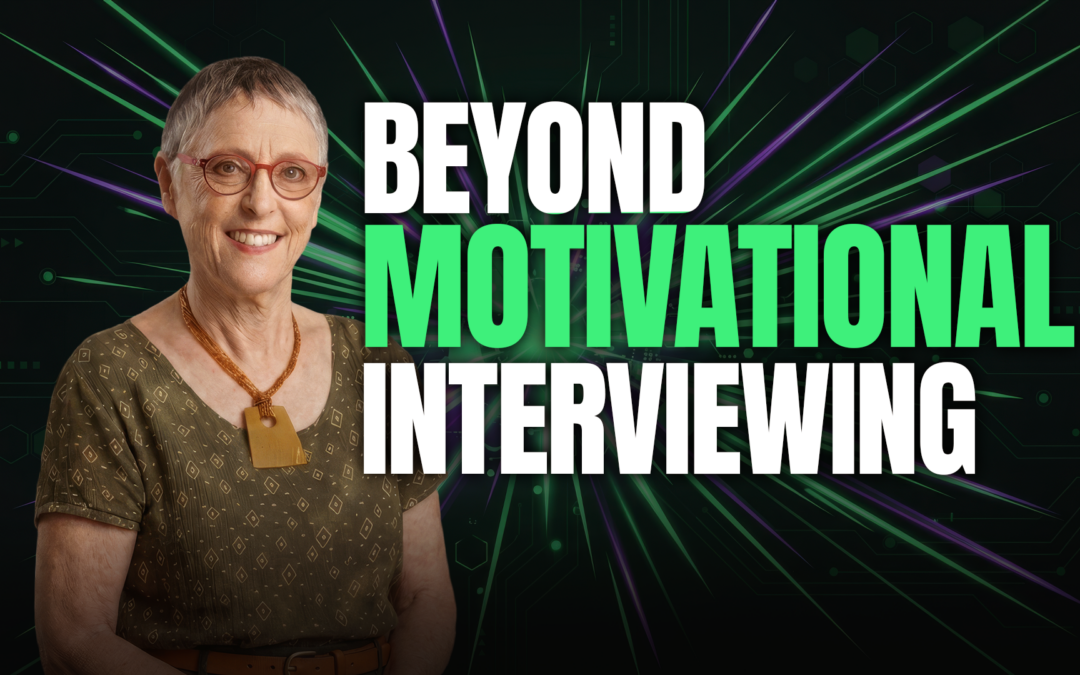
When They’re Already Motivated: Why Motivational Interviewing Can Stall Your Patient’s Progress
When a patient has already decided to change, Motivational Interviewing’s evocative structure can slow their momentum. Here is what the evidence shows about a different approach.
Motivational Interviewing vs. Solution-Focused: What the Evidence Says About Patient Follow-Through
You explain the plan clearly. The person leaves seemingly committed — and yet the follow-through never happens. When this pattern repeats, the evidence suggests the problem may not be their motivation, but the structural starting point of the conversation itself.