MI’s 2:1 reflection ratio is a technically demanding standard. Solution-Focused practice works through a different mechanism: keeping the client’s exact words rather than reshaping them.

What MI Counts. What SF Keeps.
read more
MI’s 2:1 reflection ratio is a technically demanding standard. Solution-Focused practice works through a different mechanism: keeping the client’s exact words rather than reshaping them.

Optimism helps clients believe in change. But the coaches who ask what happens when it doesn’t go well are the ones who help clients stay the course.
Motivation is a state. It fades when the client is tired or stressed. Why a described preferred future, not motivation, gives follow-through its best chance.

The Solution-Focused approach uses the client’s exact words in the next question. Motivational Interviewing trains the opposite skill. Here’s why the difference matters.
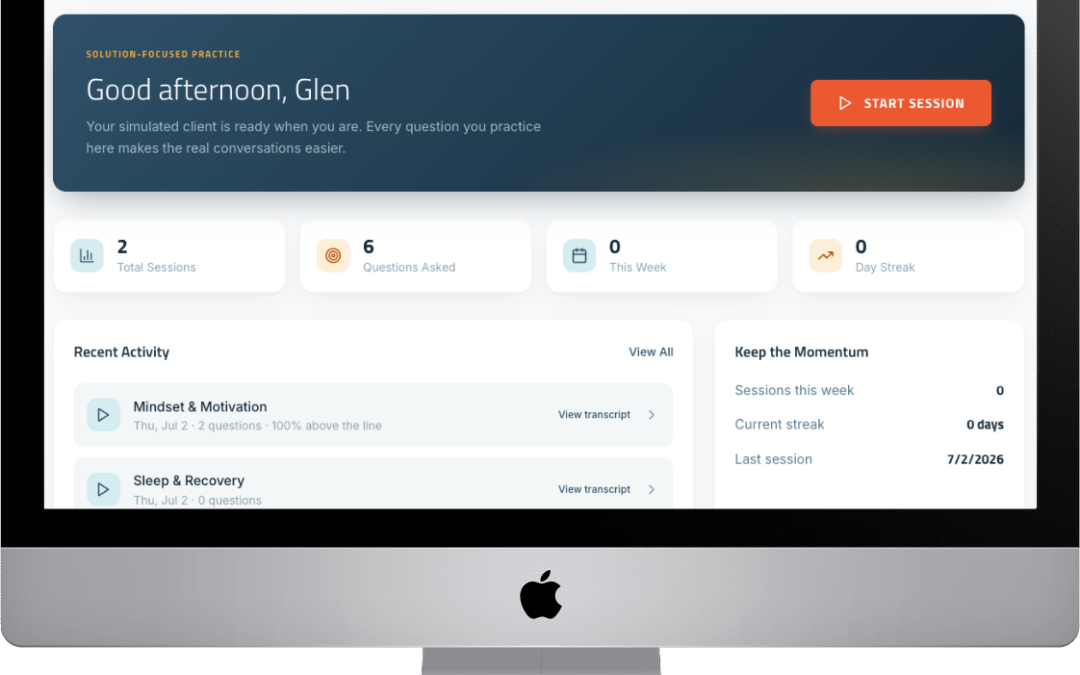
Stamina Lab announces a major upgrade to SolutionCoach AI, the practice partner that lets health professionals rehearse coaching conversations in private.

Stop waiting for session three to see progress. Learn how the Solution-Focused approach acts as a mechanism for change from the very first question.

For program directors in healthcare and performance coaching, the question is no longer about the volume of research behind an approach. It is about outcome density and clinical efficiency. Here is what the SF evidence shows.
A client can talk at length. You don’t need the whole story, only one piece you can build on. How Solution-Focused listening works.
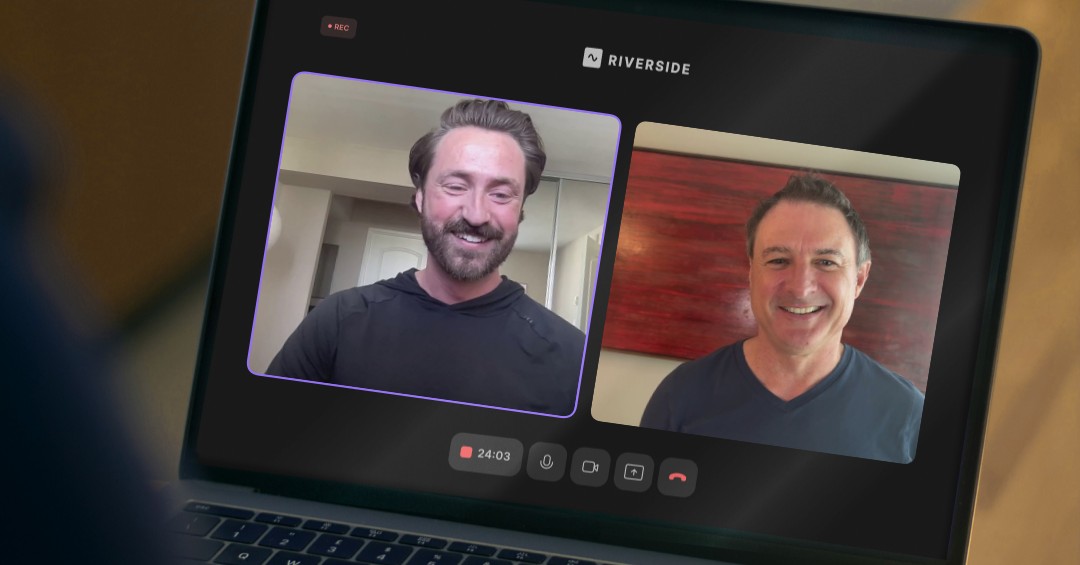
Stamina Lab CEO Glen Lubbert joins the Hello, Brain podcast on why habits break, where agency hides, and why the question is the intervention.

Stop blaming lack of follow-through on client readiness. Discover how the starting point and structure of your coaching conversations dictate behavioral outcomes.